Case Studies
Check our projects


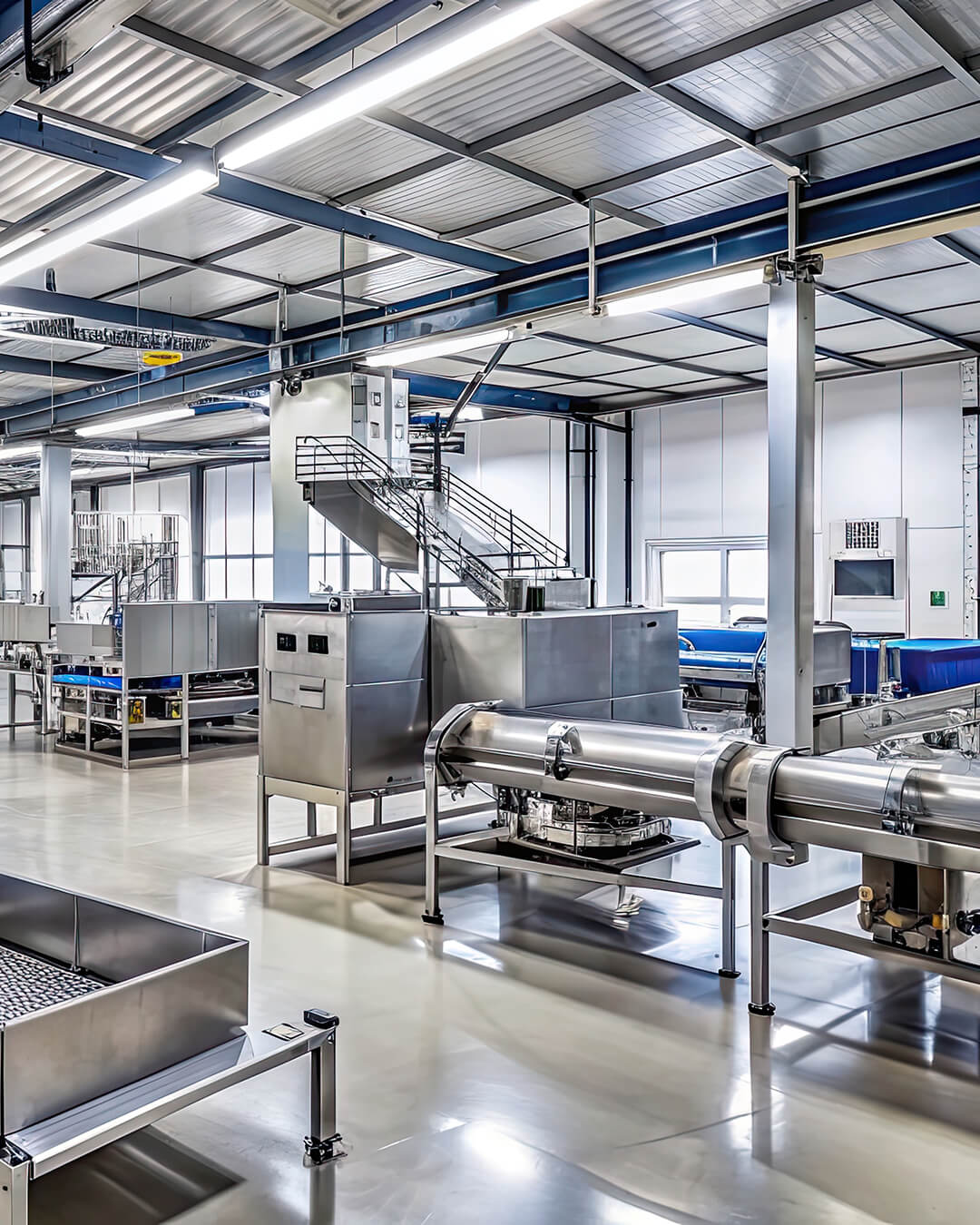
The food industry is one of the world's largest and most rapidly growing industries nowadays. Heat transfer process, its efficiency and stability are important factors in every branch of the food industry. A demand for more efficient and advanced food processing drives the development of food production, as well as the need to improve processing equipment, including heat exchangers.
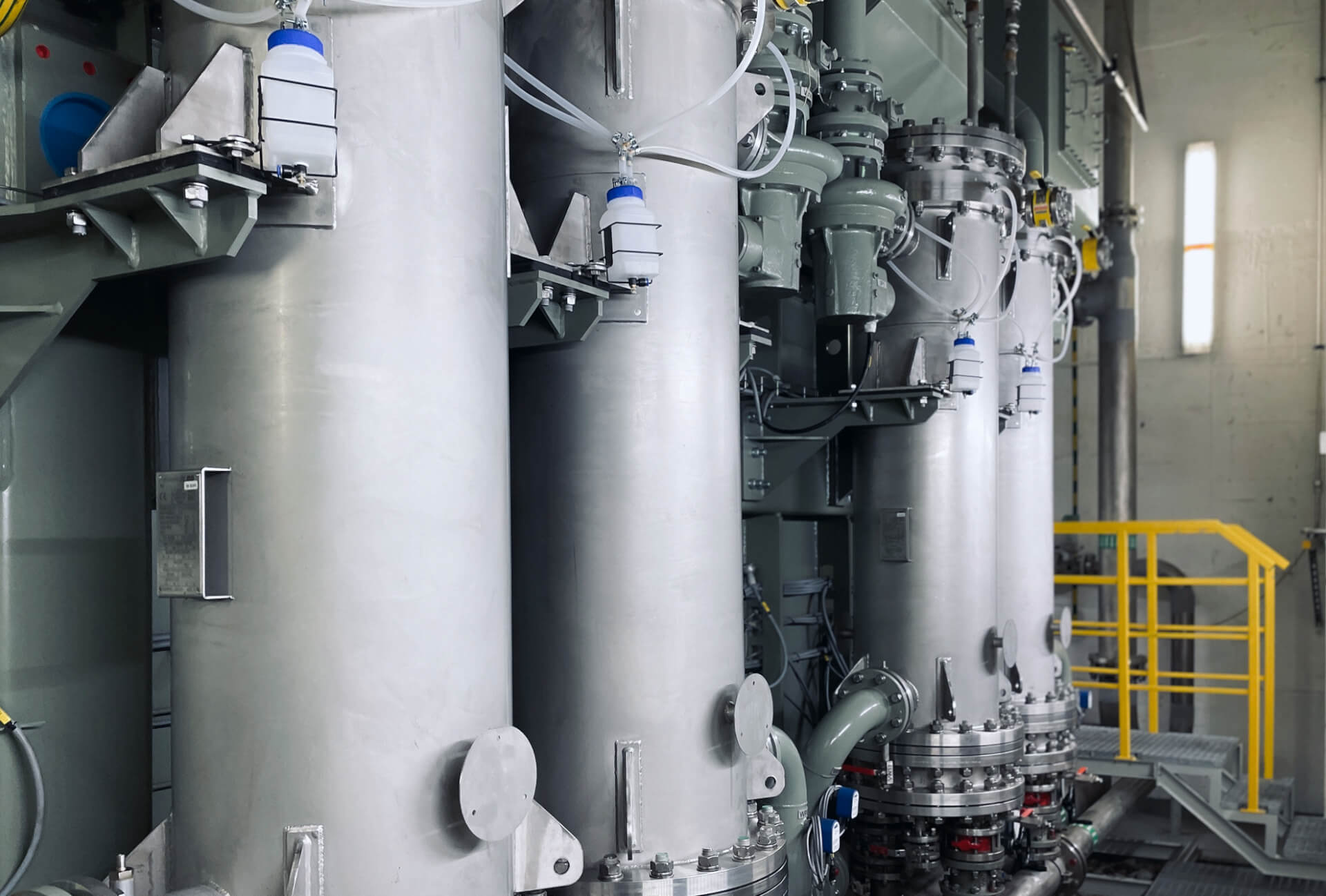
Transformers are critical assets in power plants, and to prevent overheating and extend service life, their insulating oil must be cooled efficiently. At the same time, contamination risk must be minimised to protect insulation properties and ensure long-term, reliable operation.
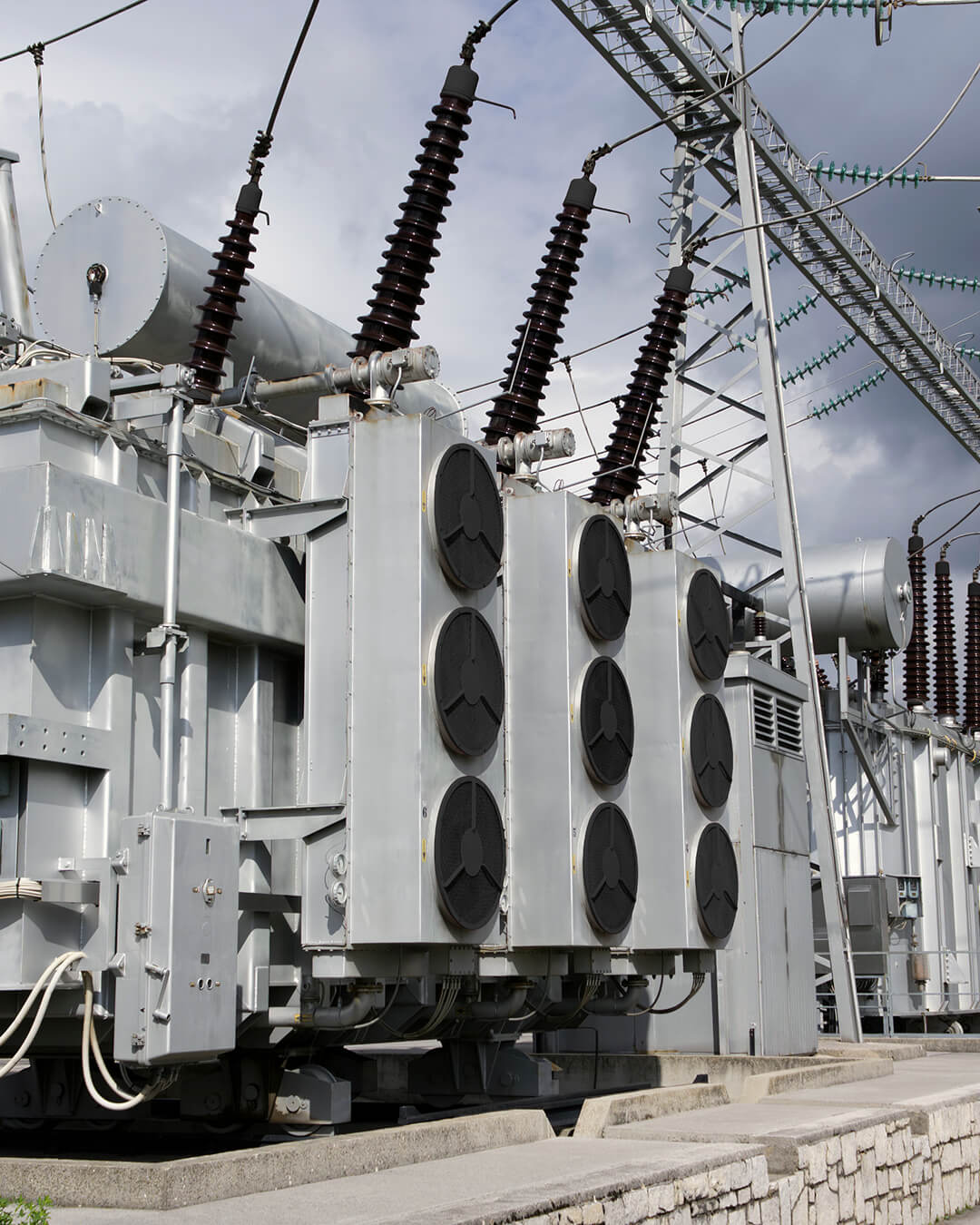
Transformers are critical components in power plants, responsible for adjusting voltage levels to ensure efficient electricity transmission and distribution. They convert high-voltage electricity from generators to lower voltages suitable for industrial and residential use, minimizing energy losses during transmission. Transformers rely on insulating oil to cool internal components and provide electrical insulation, preventing overheating and failures. Maintaining oil cleanliness is essential, as contaminants like moisture, sludge and particles can degrade insulation properties, accelerate wear and reduce efficiency. Proper filtration and cooling systems therefore ensure the reliability, longevity and safe operation of transformers in power generation.
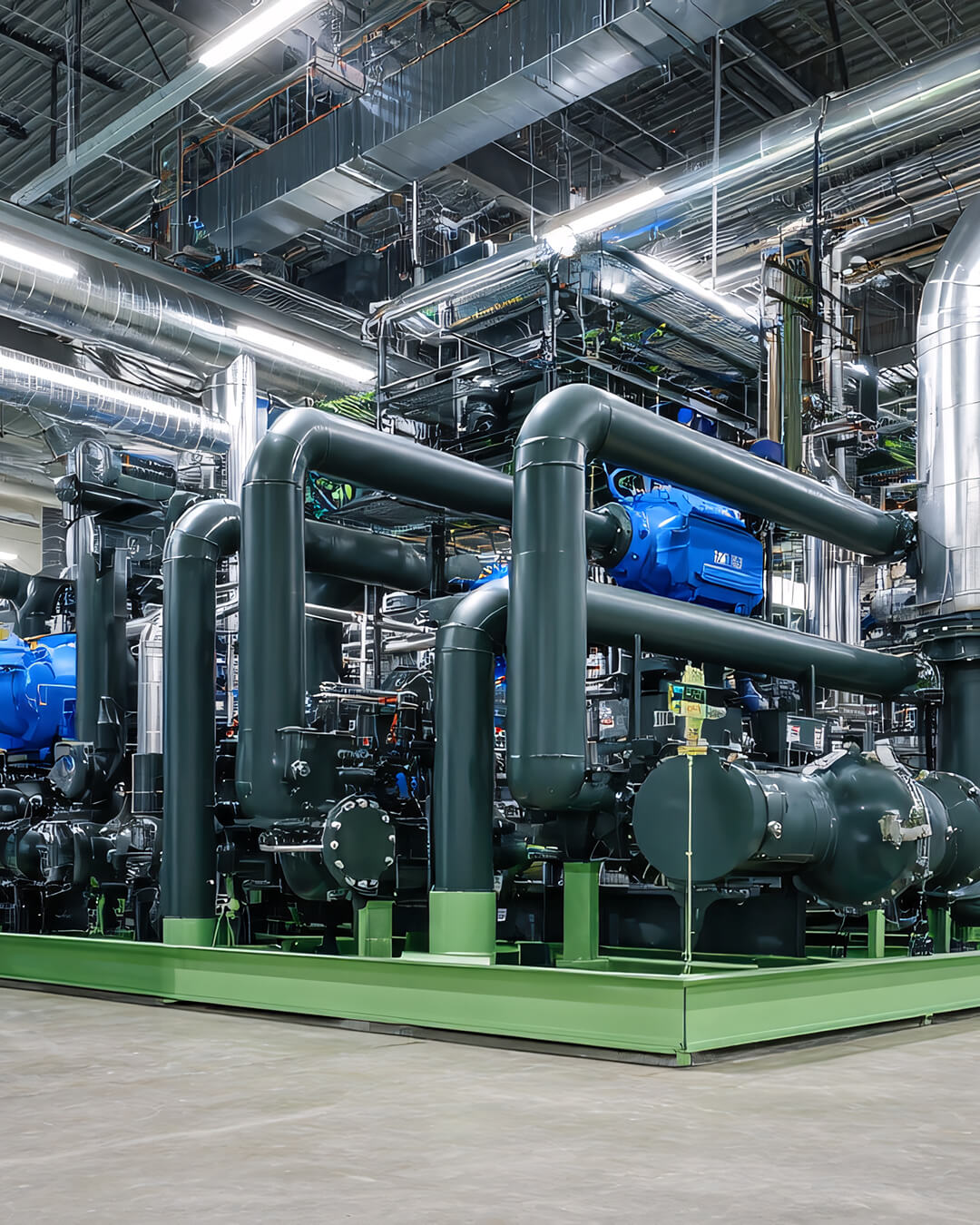
The high-temperature heat pump is used in demanding industrial applications, where it must deliver efficient heat transfer at elevated temperatures and maintain precise control of the working fluid. In this project, the heat pump required a custom-engineered, high-pressure brazed tube pack precisely matched to the pump casing to provide helium cooling inside the system. Achieving helium-tightness was one of the key design challenges and required exceptional manufacturing precision. The tube pack had to be manufactured with meticulous attention to detail to ensure leak-free operation under combined high-pressure and high-temperature conditions, providing reliable performance and a high level of system safety.
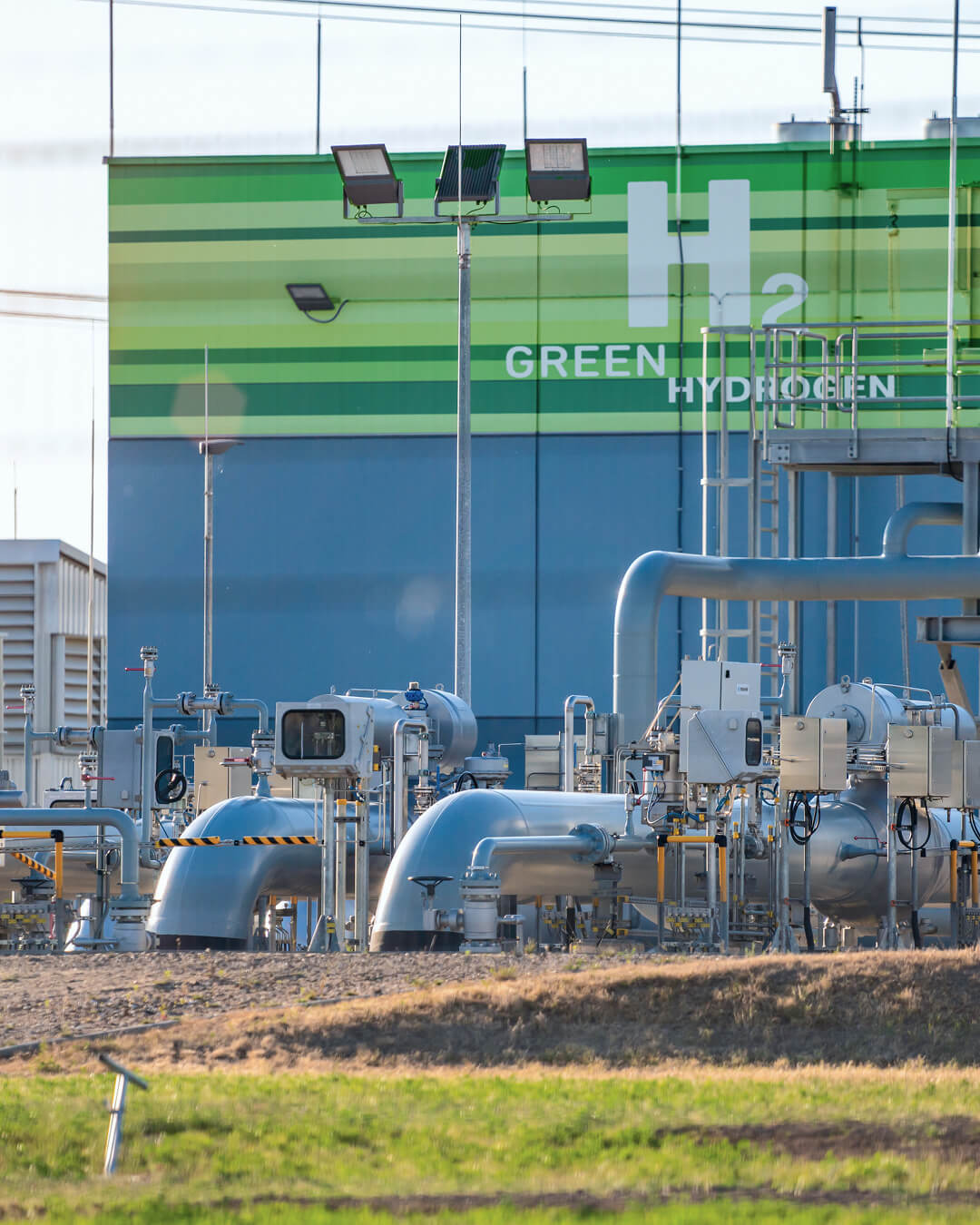
Hydrogen poses unique challenges for transmission pipelines due to its small molecular size, high diffusivity and tendency to cause material degradation such as hydrogen embrittlement. Designing hydrogen piping therefore requires careful material selection — typically high-grade stainless steels or specially certified alloys — and rigorous control of qualified welding procedures to ensure long-term integrity. Additionally, pipelines must be designed and constructedto withstand high operating pressures, ensure minimal leakage and incorporate advanced monitoring systems for early detection of micro-cracks or pressure fluctuations. Proper sealing technology, safety valves and compliance with emerging hydrogen standards are essential to maintaining safe and efficient operation.
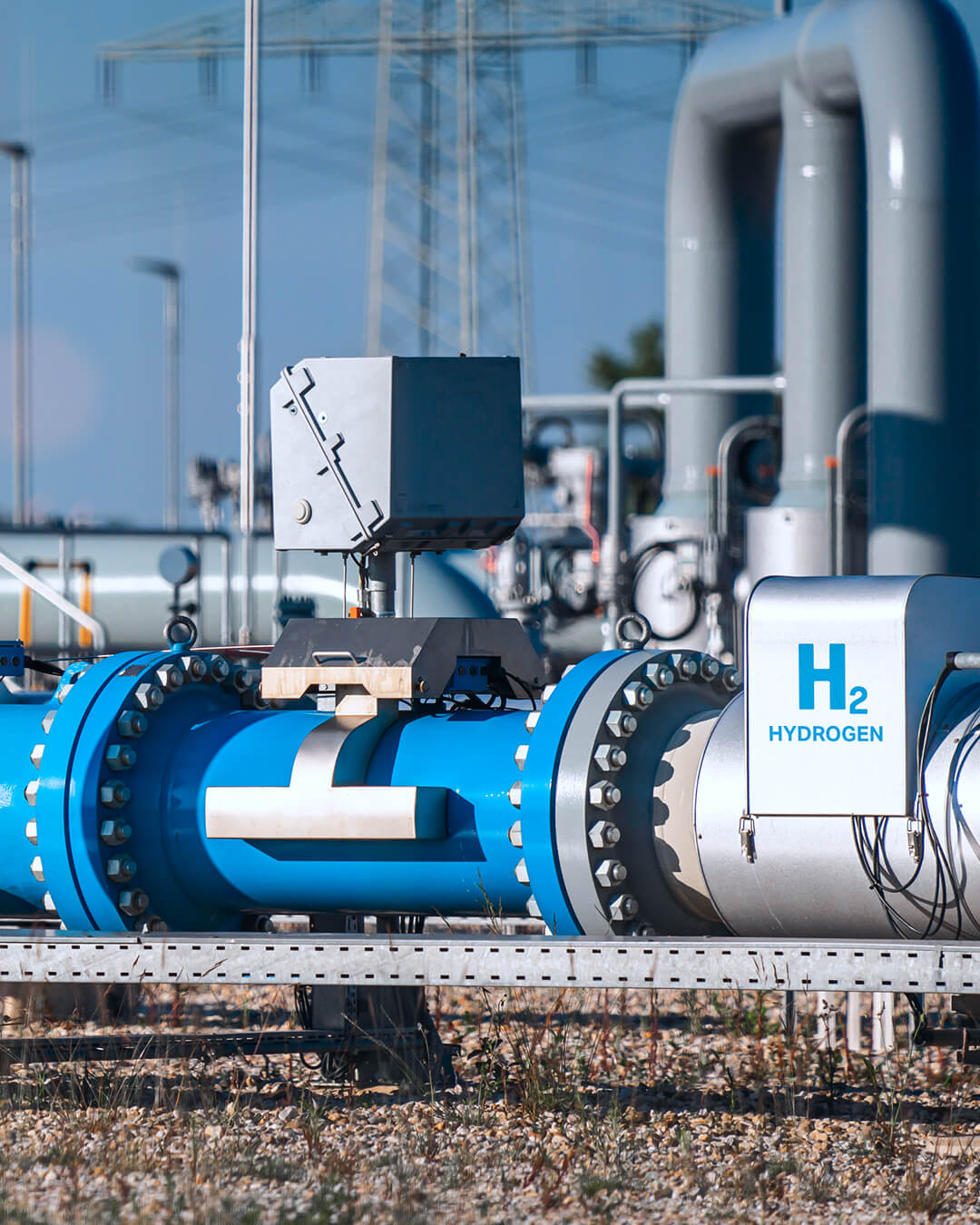
Hydrogen has been considered one of the most attractive energy carriers to increase energy efficiency and reduce carbon emissions. The integration of hydrogen energy into CHP systems offers the potential for increased efficiencies and reduced emissions. However, despite their numerous advantages, hydrogen-based CHP systems face several challenges, including system design and optimization for enhancing their performance and viability.